Collaborative Lessons
Collaboration is one of the most meaningful aspects of my role as a school-based speech-language pathologist. As a member of my students educational team, I work closely with classroom teachers, paraprofessionals, related service providers, and families to ensure students are supported in meeting their goals across all environments.
Through collaborative lessons and ongoing communication with classroom staff, I am able to integrate speech goals into authentic learning experiences. These opportunities allow me to share strategies, model language-facilitation techniques, support the use of communication systems, and create meaningful opportunities for student interaction.

Collaboration between the speech-language pathologists and classroom teachers (along with classroom paraprofessionals) during literacy programs such as Fundations, Readtopia, and HMH, is essential to supporting students’ language and literacy development. These programs target foundational skills such as phonological awareness, vocabulary, comprehension, and expressive language, which closely align with speech and language goals. Instruction can be aligned so that language strategies, vocabulary, and phonological skills are reinforced consistently across therapy and classroom settings.
Fundations is a structured, multisensory literacy program that targets foundational reading and spelling skills such as phonological awareness, letter–sound relationships, decoding, and early writing.
- In a District 75 setting, the routine, repetition, and hands-on nature of the program are supportive for students with diverse learning and communication needs.
My role is to work closely with classroom teachers to adapt instruction so students can fully access the curriculum.
- I break down skills into smaller, manageable steps and use simplified language, visuals, gestures, and hands-on materials to support comprehension.
- I reinforce letter–sound relationships, sound blending, and segmentation while incorporating AAC systems and visual supports as needed.
Readtopia is a literacy program designed to build reading comprehension, vocabulary, and critical thinking skills through interactive stories and leveled texts.
- In a District 75 setting, Readtopia provides structured, engaging opportunities for students to develop language and literacy in ways that are accessible to diverse learners.
My role is to work closely with classroom teachers to make lessons accessible for students.
- I adapt activities by simplifying language, adding visuals, providing guided support, and incorporating AAC systems when needed.
- I reinforce vocabulary, comprehension strategies, and expressive language skills, while helping students connect what they are learning to real-life contexts.
HMH is a comprehensive literacy program that supports reading, writing, and language development through structured lessons, leveled texts, and targeted skill-building activities.
-
In a District 75 setting, HMH provides opportunities for students to develop foundational literacy skills while accommodating a variety of learning and communication needs.
My role is to work closely with classroom teachers to make lessons accessible and meaningful for students.
- I simplify language, incorporate visual supports, and use hands-on or tactile materials as needed.
- I reinforce vocabulary, comprehension, and expressive language skills and often integrating AAC systems to ensure all students can actively participate.

I have facilitated a school store collaboration with classroom teachers to provide students with real-world opportunities to practice functional skills such as shopping, money management, and social interactions. The activity begins with a social story to introduce the shopping process and expectations, followed by structured practice using visual cues, scripts, and modeling to support communication with peers and adults. Students practice making purchases, requesting items, exchanging money, and using appropriate social language. Afterward, we review the experience with questions to reinforce comprehension, vocabulary, and social communication skills. A fun, rhythmic shopping and money song is often included as a sensory break to support engagement and regulation.


This activity addresses multiple speech and language goals, including social communication (i.e., greetings, turn-taking, initiating and responding), functional communication (i.e., asking for help, commenting, following directions), vocabulary development (i.e., objects, categories, money terms, colors, shapes, sizes), responding to questions, pragmatic language, and social-emotional skills. Through this collaborative approach, students generalize communication and language skills in a meaningful and functional, real-life context.

I have also facilitated a music collaboration with classroom teachers and paraprofessionals to support the social, communication, and literacy development of students through music and interactive activities.


We start with greetings targeting peer-to-peer interactions and core vocabulary (i.e., “Hello” and “your turn __.” Visual supports help students identify peers, and turn-taking activities reinforce social communication skills.


Next, the mystery bag activity targets literacy and expressive language skills, including object identification, letter-to-object correspondence and commenting (“I see a ___”).

During the shaker and drum activities, students practice a variety of communication functions, including handing out materials (“here + peer’s name”), naming animals and actions (i.e., hopping, galloping), following directions, and using core vocabulary. During the xylophone activity, students practice describing and opposites (i.e., stop/go, loud/quiet), waiting skills, patience, self-regulation, and turn-taking. The lesson concludes with activities that reinforce vocabulary, letter-object correspondence, and emotion identification. Students also engage in a goodbye ritual with the speech therapist, supporting functional communication in a meaningful context.


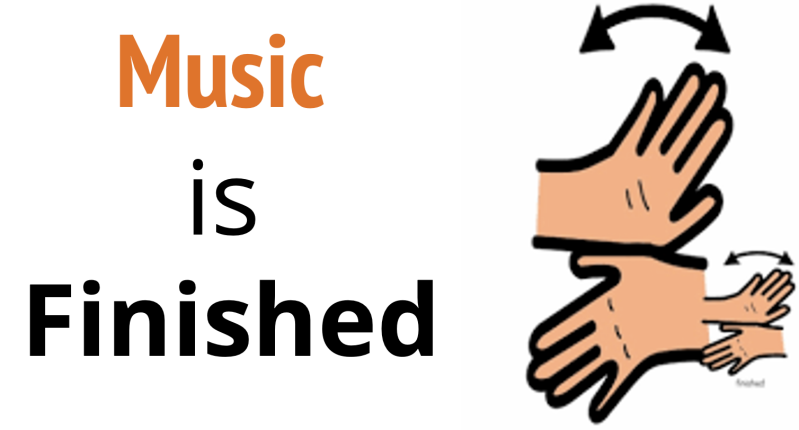
This structured, collaborative approach allows me to integrate speech and language goals into engaging, motivating activities while promoting social, emotional, and literacy growth in authentic and functional settings.
I frequently collaborate with my fellow speech therapists both during student sessions and outside of the classroom. Together, we organize, larger group activities such as games, crafts, or cooking projects, where each therapist supports their own students. These sessions allow students to benefit from small-group interactions while still receiving the individualized support they need, and they provide opportunities for students to engage with new peers.


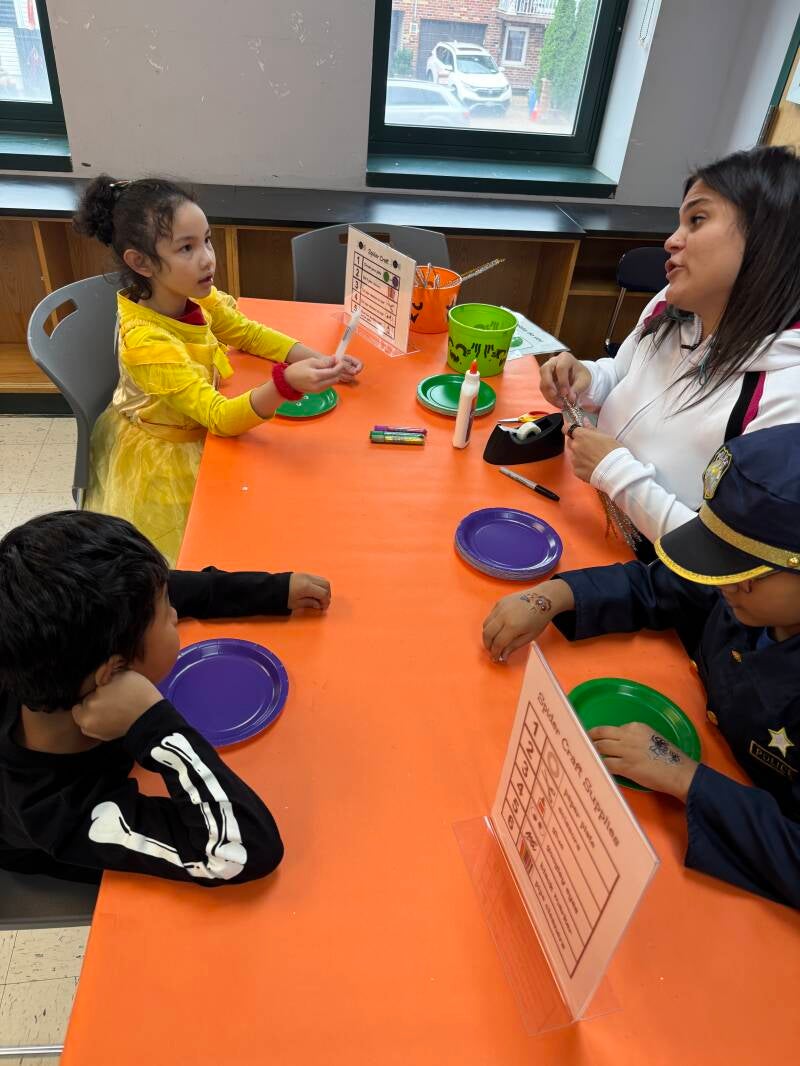
Our speech team also collaborates closely with occupational and physical therapists to provide a comprehensive, multidisciplinary approach. I create visuals tailored to the OTs’ and PTs’ activities to support students’ language development, and I integrate strategies such as writing prompts or cutting techniques to reinforce fine motor skills. During some activities, we work together to target students’ goals across all domains, ensuring that each child is supported in communication, academic, motor, and social-emotional development in a meaningful, coordinated way.

Create Your Own Website With Webador