Professional Development
Professional development plays a key role in helping speech language pathologists stay effective, informed, and responsive to the needs of our students. The fields of education and therapy continue to change, and continued learning helps us stay informed about current research, effective practices, and new approaches. For school-based SLPs, continuing to grow professionally strengthens clinical skills, supports meaningful collaboration with colleagues and families, and ensures we’re providing the highest quality services possible. Most importantly, it allows us to adapt to the changing needs of our students and contribute positively to the overall success of the school community.
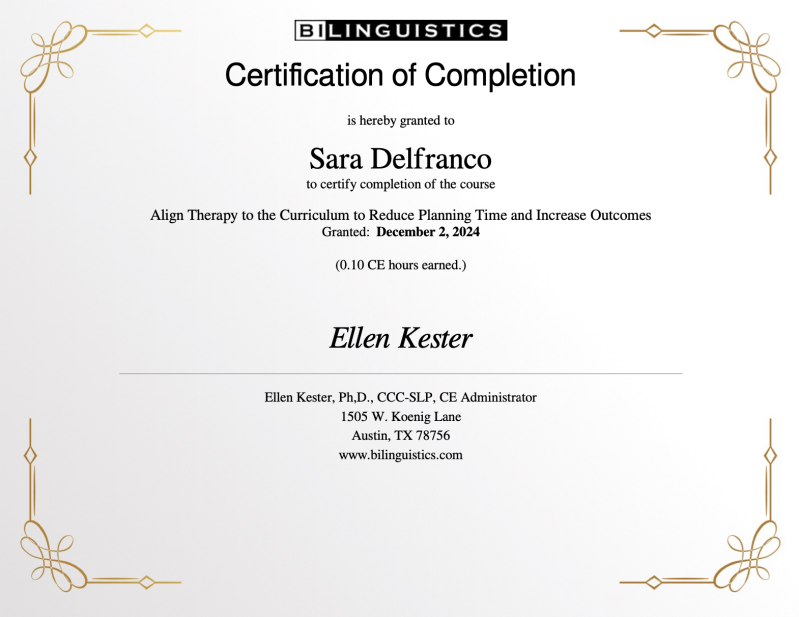
Listed below are some workshops that have had a meaningful impact on my practice and the way I support my students. I’ve been able to apply and adjust the techniques and strategies shared by the speech coaches to better meet each student’s individual needs and goals. The resources and approaches I gained have helped my students make strong progress toward their speech and language objectives.
Description: This two-hour PD is intended for first-year speech therapists in District 75. It will provide an introduction to AAC (Augmentative Alternative Communication) and the use of voice output communication devices throughout the day. A variety of AAC devices/components will be discussed as well as implementation strategies (not programming) in the classroom.
Description: This two-hour workshop is for therapists who are interested in learning about LAMP (Language Acquisition Through Motor Planning) approach to augmentative, alternative communication. John Halloran, MS, CCC-SLP (one of the developers of this approach) will offer this seminar. Parents are encouraged to attend with providers and can register via the google form that was sent out via email.
Description: This two-hour workshop is intended for second year speech therapists. It focuses on differential diagnosis and treatment of developmental phonology disorder, motor-execution disorders and Childhood Apraxia of Speech (CAS). Specific assessments, treatment philosophies, treatment techniques and materials will be presented.
Description: This two-hour PD is intended for first-year speech therapists in District 75 and will focus on supporting students with complex communication, social, and behavioral needs. Throughout the workshop, participants will become familiar with school wide and District 75 behavior support systems and techniques. Strategies and information related to trauma informed care and supporting students returning to school settings will be discussed. Educational Teams are encouraged to attend with the speech therapist.
Description: This two-hour workshop is intended for second-year speech therapists and will focus on developing language skills for students in alternate assessment classrooms through the use of children's literature. Targeted skills will be aligned to the learning standards and will be applicable to students with a range of verbal abilities (non-verbal to 2-3 words). This workshop will offer ASHA CEUs.
Description: This two-hour PD is intended for first-year speech therapists in District 75. Participants will learn the important elements of creating motivating routines and best practices for supporting those routines in the school and home environment. Therapists will learn from sample school and at-home lessons/activities how to connect routines to curriculum, and how to coach family members to create and implement routines at home. Therapists will be given collaborative planning guidance on how to develop routines with classroom staff or family members. Using a collaborative lesson plan as a guide, therapists will be encouraged to implement these strategies with their students and classroom teams. Collaborative team members are also welcome to attend.
Description: This two-part PD is intended for first and second-year speech therapists working with students in District 75. Each session will last two hours. The primary focus for the first part of this workshop will be assessment strategies for functional communication skills. Therapists will learn how to use the CSS Communication Profile as a way to compile assessment information. The second part of the workshop will focus on using information gathered during the assessment process to create functional and appropriate IEP goals. Participants will learn how to use the SMART goal format in order to create learning targets for students. Progress monitoring and intervention planning will also be addressed throughout the series.
Description: This offering is designed to equip monolingual speech pathologists with the essential knowledge and skills needed to effectively assess and support bilingual students from diverse cultural and linguistic backgrounds. Participants will explore key considerations when assessing bilingual students, including the impact of language diversity on communication disorders, creating Individualized Education Plans (IEPs) for these students, and the importance of team-based decision making and collaboration.



Create Your Own Website With Webador